Energy price cap January 2027: what it means and how to beat it
Updated: Written by Roman, Geko Energy 7 min
From 1 January 2027, Ofgem's energy price cap goes up 26%. A typical home paying by Direct Debit goes from £1,723 a year to £2,166. That's £443 more a year, or about £37 a month.
What is the energy price cap?
Ofgem's price cap sets the most a supplier can charge you for each unit of energy, and the most it can charge for the daily standing charge, on a standard variable tariff. It caps the price, not your bill. Think of a cap on the price of a pint of milk: it limits what each pint costs, not how many pints you buy. The more energy you use, the more you pay.
Ofgem sets it every three months.
What we're paying now
From October to December 2026, the cap for a typical home paying by Direct Debit is £1,723 a year. Electricity is about 26p a unit, with a standing charge of about 55p a day. Gas is about 8p a unit and about 30p a day. There's no VAT on electricity until 30 June 2027.
What's changing in January: the new energy price cap at a glance
| 1 Oct to 31 Dec 2026 | 1 Jan to 31 Mar 2027 | |
|---|---|---|
| Typical yearly bill | £1,723 | £2,166 |
| Electricity, per unit (kWh) | 26.32p | 32.69p |
| Electricity, standing charge per day | 54.83p | 54.77p |
| Gas, per unit (kWh) | 7.97p | 10.96p |
| Gas, standing charge per day | 29.68p | 29.65p |
Swipe to see the full table
The typical bill assumes 2,500 units of electricity and 9,500 units of gas a year. There's no VAT on electricity from 1 October 2026 to 30 June 2027; gas includes 5% VAT. Your own rates depend on your region and how you pay.
What a typical home will pay: about £2,166 a year at January to March prices, an average of about £180 a month, if prices stayed at this level for a whole year. They won't: the cap changes again in April.
Why the energy price cap is going up
Energy bills are going up because most of a bill is the cost of buying the energy in the first place. With the conflict in the Middle East, a key shipping route has been largely blocked, and Europe went into this winter with its gas stores running low. A lot of our electricity is still made by burning gas, so when gas gets dearer, electricity follows.
Ofgem sets the cap from what energy cost over a three-month window, and this one ran from the middle of August to the middle of November, when prices were high. Industry analysts Cornwall Insight say it takes bills to their highest level since 2023. More in how the Iran conflict is affecting UK energy prices.
Does it affect you?
The cap covers standard variable tariffs. If you're on a fixed deal, your unit rates don't change until it ends. Smart tariffs with a cheap overnight rate aren't set by the cap, but suppliers can still change them, and Octopus has said it expects its smart tariffs to go up in January too. Your latest bill or your supplier's app shows which tariff you're on.
The cap limits the price per unit and the daily standing charge, not your total bill: the more you use, the more you pay.
If you pay a different way
The figures above are for Direct Debit. For October to December 2026, the typical bill is £1,678 on prepayment and £1,861 if you pay when you get a bill. Ofgem's January figures for these aren't in yet, but they go up too.
Four things everyone can do before 1 January
- 1Check which tariff you're on. Your bill or app will tell you.
- 2Think about fixing. Some fixed deals are cheaper than the new cap and some aren't, so compare the price per unit, not the monthly figure.
- 3Take a meter reading on 1 January (or the evening before), so December's energy isn't charged at the new price. A smart meter does this for you.
- 4Move what you can away from teatime. Washing, the dishwasher, charging things. If you've got a cheap overnight rate, run them then.
Make some of your own: solar in winter
Every unit you make on your roof is a unit nobody can put the price up on. A 4 kW system (about ten panels) on a south-facing roof in the Midlands makes about 3,900 units a year, more than a typical home uses. Most of that comes in spring and summer: in January to March, about 700 units. So in winter, the battery does the heavy lifting. More in do solar panels work in winter?
The battery: your winter money saver
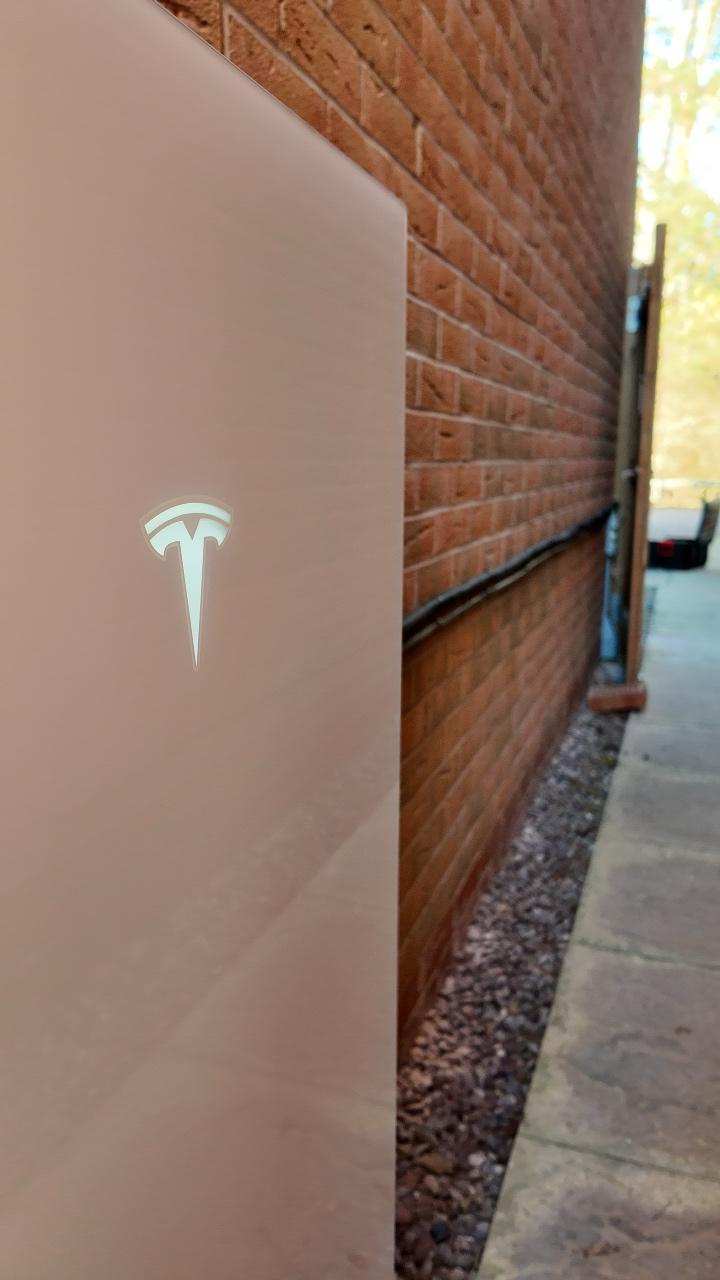
A battery fills up when power is cheap and runs your home when it's dear. On Octopus Flux (made for homes with solar and a battery, no electric car needed), London prices in November 2026 are about 16p a unit from 2am to 5am, about 27p in the day and about 37p from 4pm to 7pm. A battery that fills with 10 units at about 16p and uses them through the day and evening, instead of paying 27p or 37p, saves about £1.38 a day, about £124 over January to March, at today's prices.
With an electric car, Octopus Go is cheaper still at night: 9.4p, against 34.53p in the day. Filling 10 units a night and using them in the day saves about £2.51 a day, about £226 over January to March. We compare it with EDF in Octopus Go vs EDF GoElectric, and there's more on the sums in battery or no battery.
Examples to show the method, not a quote. Tariff prices change.
Do you have to do anything?
No. Once it's set up for your tariff, the battery charges and empties itself. There's an app if you want to watch it work, but you don't have to. A battery with backup can also keep your essentials running in a power cut.
In the summer
In spring and summer, your panels fill the battery for free, and the Smart Export Guarantee pays you for what you send back to the grid. See the Smart Export Guarantee, explained.
What about gas?
Solar panels and a battery cut your electricity bill, not a gas heating bill. At the new cap, electricity is about half of a typical home's bill, so that's the half you can do something about with your own roof.
Why now is a good time to look
- 0% VAT on solar panels and home batteries until 31 March 2027. More in the VAT window closes in April 2027.
- The Warm Homes Loan: no- and low-interest loans from approved lenders, up to £15,000 for solar and up to £15,000 for a battery. Geko doesn't arrange the loans. See our Warm Homes Loan guide.
Questions to ask your installer
- Are you MCS-certified?
- Is the battery sized to my evenings?
- Will you help me with the tariff and set the battery up for it?
- What warranties cover the panels and battery, and what guarantee covers the work?
Geko is MCS-certified, sizes every battery to your usage, sets it up for your tariff, and every install comes with a 6-year IAA insurance-backed guarantee.
Recap
- The energy price cap rises 26% on 1 January 2027, to £2,166 a year for a typical home.
- Electricity goes to 32.69p a unit; standing charges barely move.
- Check your tariff, think about fixing, and take a meter reading on 1 January.
- Solar panels and a battery let you make your own power and buy the rest at the cheapest time.
Want your own numbers? Get a free quote, done over a video call.
Energy price cap FAQs
How much is the energy price cap from January 2027?
£2,166 a year for a typical home paying by Direct Debit, up 26% (£443) from £1,723.
What is the standing charge from January 2027?
Electricity 54.77p a day and gas 29.65p a day (Direct Debit, GB average).
What is the electricity unit rate from January 2027?
32.69p a unit (Direct Debit, GB average), up from 26.32p.
Why is the energy price cap going up in January 2027?
Mostly higher wholesale gas prices, driven by the conflict in the Middle East (Ofgem).
Does the price cap limit my bill?
No. It limits the price per unit and the standing charge; the more you use, the more you pay.
Will my fixed tariff change?
Not until your fix ends.
When is the next price cap announced?
The April to June 2027 cap is due to be announced in February.
Sources
- Ofgem: "Energy price cap unit rates and standing charges" (25 Nov 2026)
- Ofgem: energy price cap rise of 26% from January 2027
- Ofgem: "Energy price cap and standing charges explained"
- Cornwall Insight (18 Nov 2026)
- Octopus Energy: Flux tariff, and "Energy prices are set to rise sharply in January" (19 Nov 2026)
- GOV.UK VAT Notice 708/6
- Geko Energy winter solar figures
Price cap figures are Ofgem's GB averages for Direct Debit; your rates depend on your region and how you pay. Solar and battery figures are examples to show the method, not a quote.