Power cuts: will solar panels and a battery keep the lights on?
Last updated: Written by the Geko Energy design teamReviewed by a Geko engineer 9 min
Quick answer
Will solar panels and a battery keep the lights on in a power cut? Yes, with home battery backup. Solar panels on their own switch off in a power cut. Add a battery with a backup gateway or an EPS (emergency power supply) and it detects the cut, separates your home from the grid and runs your home, or the circuits you choose, from the battery. On systems built for it, your solar keeps working too. Back up the essentials, like the fridge, lights, Wi-Fi and boiler, or the whole home.
Do solar panels work in a power cut?
Not on their own. Solar panels and batteries connected to the grid switch off when the grid goes down. It's a safety rule: it protects the people working on the network to get the power back on.
So panels on their own won't keep the lights on in a power cut, even on a sunny day. A battery won't either, unless it's set up for backup. Add backup and the battery keeps your home running.
Does a home battery work in a power cut?
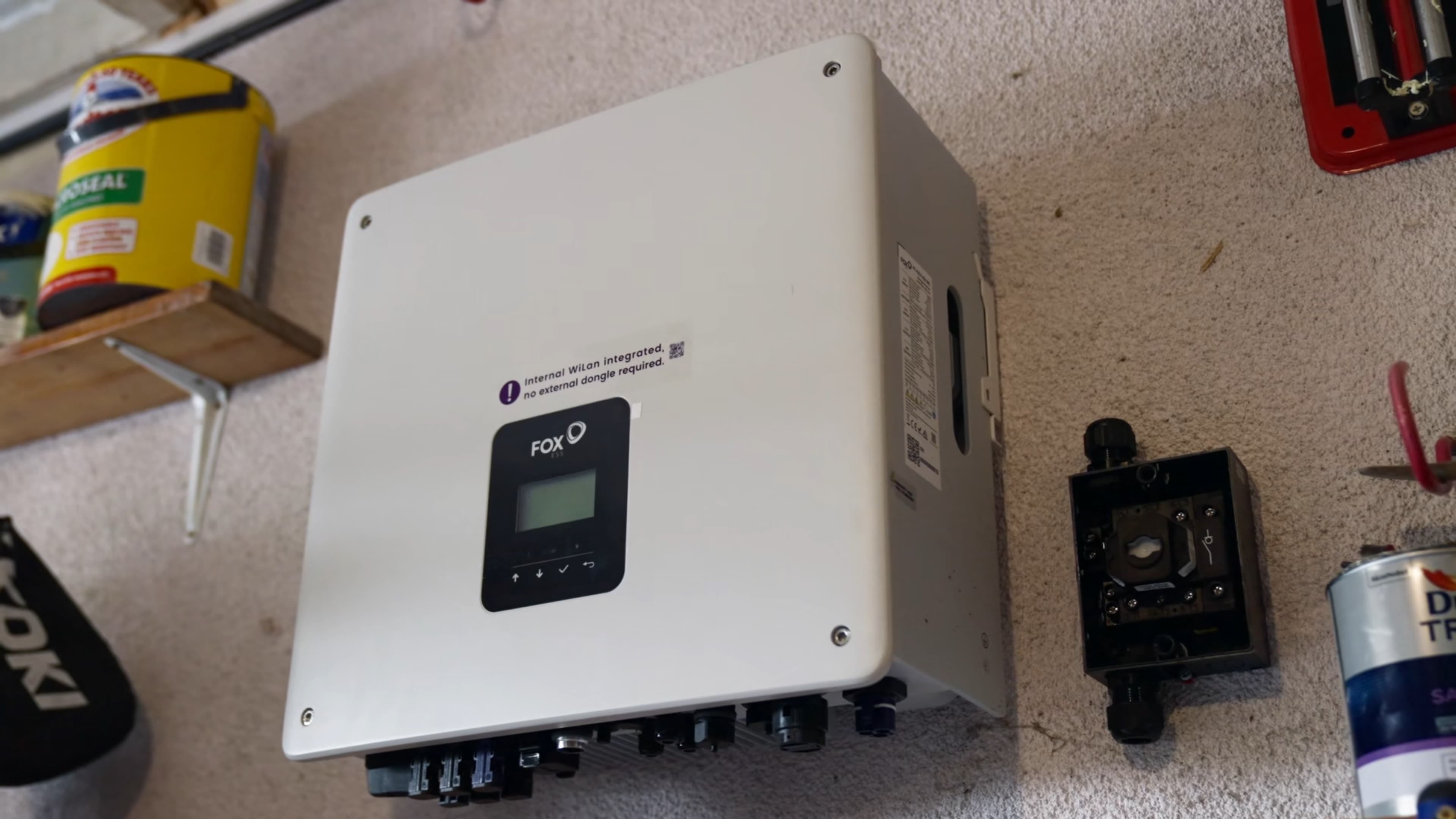
Yes, with home battery backup. The kit that makes it work is called a backup gateway or an EPS (emergency power supply), depending on the make. On Fox ESS, the EPS is built into the inverter. Here's what happens when the power goes:
- 1The system detects the power cut. The backup gateway or EPS sees the grid has gone.
- 2It separates your home from the grid. Your home, or the backed-up circuits, now run as their own island, so no power flows back onto the network.
- 3The battery powers your home. The circuits on backup carry on running from stored charge.
- 4Solar keeps working. On systems built for it, your home runs on battery and solar.
- 5The grid comes back. The system reconnects your home and carries on as normal.
If you're looking at battery backup for home use, there are two ways to set it up.
| Essential circuits | Whole home | |
|---|---|---|
| What stays on | The circuits you choose: fridge, lights, Wi-Fi, boiler | The whole home keeps running |
| How it works | An EPS feeds a separate set of circuits | A backup gateway separates the whole home from the grid |
| Good to know | Big loads like an electric shower may need to stay off backup | The battery's power output sets how much can run at once |
Swipe to see the full table
Want to know what would stay on in your home in a power cut?
How often do power cuts happen?
Not often. In the East Midlands in 2025/26, there were about 35 power cuts for every 100 homes, and the average home was off for about 27 minutes across the whole year (National Grid Electricity Distribution). That's about one cut every three years on average.
When one does happen, it stops more than the lights. A gas boiler needs electricity for its controls and pump, so the heating goes off too. The fridge, Wi-Fi and phone chargers stop with it. Backup keeps those running until the power's back.
What can run, and for how long
Circuits you might put on backup:
- Fridge and freezer, so food stays cold.
- Lights, in the rooms you use most.
- Wi-Fi router, so it stays powered.
- Gas boiler. It needs electricity for its controls and pump. Back it up and your heating can keep running.
- Sockets for phones and laptops, so everyone stays charged.
How long it runs depends on how much charge is stored and what's switched on. These are example numbers to show the method, not a forecast.
| Example | Value |
|---|---|
| Charge stored in the battery | 10 kWh |
| Average draw of the circuits on backup | 0.4 kW |
| Example run time | About 25 hours |
Swipe to see the full table
For scale, one Tesla Powerwall 3 stores 13.5 kWh of usable energy, and Expansion units add more. The average home is off for about 27 minutes a year, so a charged battery covers that many times over.
When the battery runs low
In a long power cut, the battery can run low. When it gets very low, it stops powering your home to protect itself. Tesla Powerwall then checks every hour for enough solar to power your home and recharge the battery, and starts again when there is. Other makes handle a low battery in their own way, and we explain how yours works when we fit it.
To make the charge go further:
- Switch off anything you don't need.
- Leave big appliances, like the washing machine and oven, until the power's back.
- Keep a backup reserve set in your battery app, so there's charge waiting when a cut starts.
Backup on each battery we fit
Every battery we fit can provide backup. What it covers depends on the kit.
| Battery | Backup kit | What stays on |
|---|---|---|
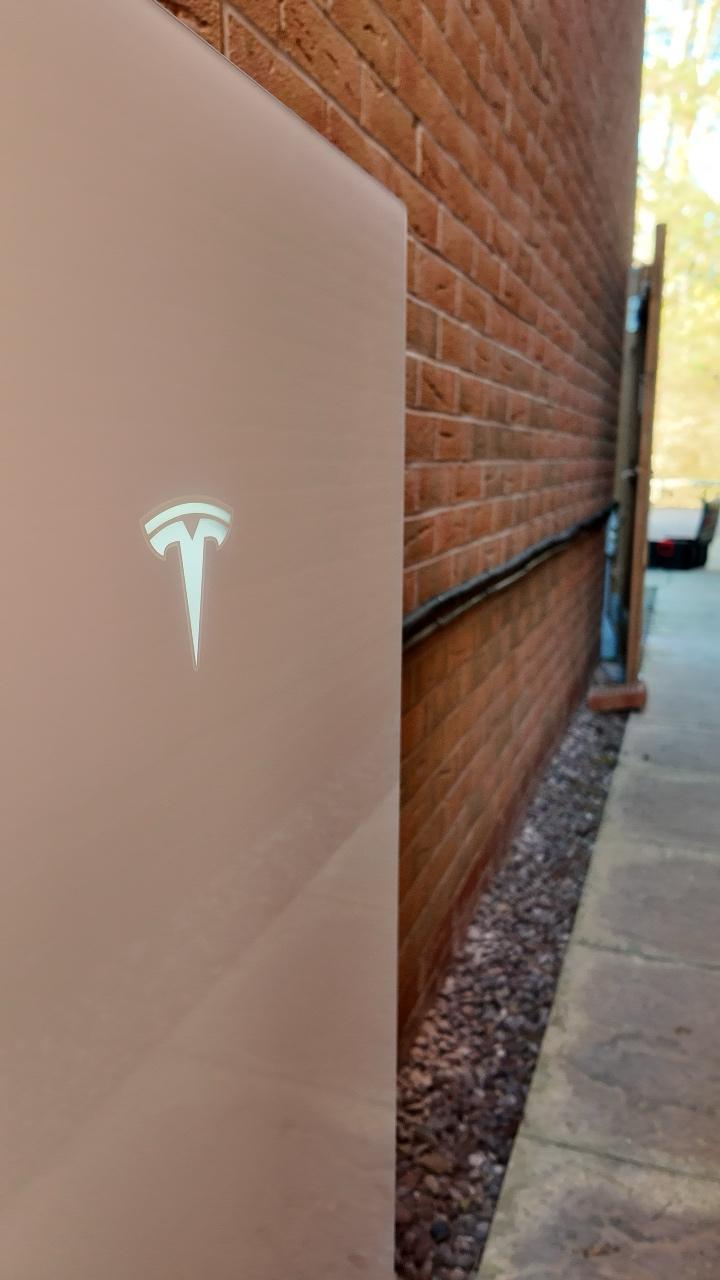
| Tesla Powerwall 3 | Backup gateway: Tesla Backup Gateway 2 | Your home, on battery and solar |
| Fox ESS | EPS, built into the inverter | The essential circuits you choose |
| Sigenergy | Backup gateway: a Sigen Gateway | Your home, on battery and solar |
| EcoFlow PowerOcean | EcoFlow Gateway Backup Box, or the EPS | The whole home with the backup box, or essential circuits |
Swipe to see the full table
Powerwall 3 and Sigenergy need their backup gateway. Without it, they switch off in a power cut like any grid-connected battery. We include the right part when backup matters to you.
A battery without solar panels
You can have battery backup without solar panels. The battery charges from the grid and runs the backed-up circuits in a power cut. Without panels it can't recharge until the power comes back, so it runs on what it stored beforehand.
Check your tariff first. Day to day, a battery without panels earns by charging on a cheap overnight rate and covering the expensive hours, so it needs a tariff with a cheap rate. Some energy is lost on the way in and out: Tesla lists Powerwall 3's round-trip efficiency at 89% (solar to battery to home). For the maths, see battery or no battery.
What to do in a power cut
- Call 105. It's free, and it puts you through to your local network operator to report the cut or get updates (Power Cut 105).
- Use a torch, not candles. Keep one where you can find it in the dark.
- Keep the fridge and freezer shut. They stay cold for longer with the doors closed.
- Plan for medical equipment. If anyone at home relies on it, join the Priority Services Register. It's free, through your network operator or energy supplier, and gives you extra support in a power cut.
- Know your payment. If you're off for more than 12 hours in normal weather, your network operator pays you £100, plus £45 for each further 12 hours. It's usually paid automatically (Ofgem).
Backup on top of everyday savings
Most of the time there's no power cut, and your battery gets on with cutting your bills. It stores spare solar for the evening, and on a tariff with a cheap overnight rate it charges overnight and covers the expensive hours. In winter it works overtime.
Some battery apps let you keep a reserve for power cuts, so everyday use leaves some charge in the battery.
Your power cut checklist
- 1Decide what you'd want to keep running: fridge, lights, Wi-Fi, boiler.
- 2Choose essential-circuit or whole-home backup.
- 3Check your battery has its backup kit: a backup gateway or an EPS.
- 4Set a backup reserve in your battery app.
- 5Save 105 in your phone.
- 6Keep a torch where you can find it in the dark.
- 7Join the Priority Services Register if anyone at home relies on medical equipment.
How Geko sets up backup
On a free 30-minute video consultation, a Geko engineer asks what you'd want to keep running in a power cut, then designs the battery and backup around it. No doorstep sales.
- Your choice of circuits: we wire the essentials you pick, or set up whole-home backup.
- Batteries: Tesla Powerwall 3, Fox ESS, Sigenergy and EcoFlow PowerOcean. We're a Tesla Certified Installer.
- Paperwork: we handle the paperwork with your network operator, and your MCS certificate.
- Installation: our own employed engineers install across England and Wales.
- Protection: MCS-certified for solar PV and battery storage, TrustMark-registered, and a 6-year IAA insurance-backed guarantee.
An average install is £12,500: around 6 kW of panels with a battery. What will run in a power cut, and the cost of any backup equipment, is confirmed on your quote. Solar and batteries installed in homes by 31 March 2027 pay 0% VAT.
FAQs
What is home battery backup?
Home battery backup keeps your home, or the circuits you choose, running from a battery in a power cut. A backup gateway or an EPS (emergency power supply) separates your home from the grid, and the battery takes over.
Will a home battery work in a power cut?
Yes, when it's set up for backup. The backup gateway or EPS detects the cut, separates your home from the grid and runs your home, or the circuits you choose, from the battery. Without backup equipment, a grid-connected battery switches off too.
What's the difference between essential-circuit and whole-home backup?
Essential-circuit backup keeps the circuits you choose running, such as the fridge, lights, Wi-Fi and boiler. Whole-home backup keeps the whole home running, with the battery's power output setting how much can run at once.
How long will a battery run my home in a power cut?
It depends on how much charge is stored and what's switched on. As an example, 10 kWh of stored charge running circuits that draw 0.4 kW on average would last about 25 hours.
Will my heating work in a power cut?
A gas boiler needs electricity for its controls and pump. Put the boiler on a backed-up circuit and your heating can keep running from the battery. We confirm what will run on your quote.
Do my solar panels keep working in a power cut?
Yes, on systems built for it. Tesla Backup Gateway 2 and the Sigen Gateway, for example, keep your home running on battery and solar.
Can I have battery backup without solar panels?
Yes. The battery charges from the grid, ideally on a cheap overnight rate, and runs the backed-up circuits in a power cut. Without panels it won't recharge until the power comes back.
Do I need to do anything when the power goes off?
No. The backup gateway or EPS switches over by itself, and the backed-up circuits keep running. Call 105 if you'd like to report the cut or get updates.
Will my battery have charge when a power cut starts?
Set a backup reserve in your battery app and everyday use leaves that much charge in the battery, ready for a power cut. On a sunny day, solar tops up your battery as normal before a cut.
Does backup cost extra?
Some batteries need an extra part, such as Tesla Backup Gateway 2 or a Sigen Gateway. Others, like Fox ESS, have an EPS built into the inverter. We confirm what will run, and the cost, on your quote.
Who do I call in a power cut?
Call 105, free, to report a power cut or get updates from your local network operator. It works in England, Scotland and Wales.
Keep the lights on when the grid goes down
A free 30-minute video consultation with one of our engineers, then one total price in writing, with any backup equipment listed.
Phone lines open Mon–Fri, 9am–6pm
Sources
- National Grid Electricity Distribution: key performance figures (East Midlands)
- Ofgem: check if you can get a payment for a power cut
- Energy Networks Association: Power Cut 105
- Tesla: Powerwall 3 UK datasheet, Backup Gateway 2, and Powerwall system alerts and notifications
- Fox ESS, Sigenergy and EcoFlow: product documentation for EPS outputs and backup gateways
- Geko Energy: how to choose a home battery, battery or no battery, do solar panels work in winter?
Geko Energy designs and installs solar PV, battery storage and EV charging. The run-time example uses example numbers to show the method; it is not a forecast for any specific home. What runs in a power cut depends on the battery, the backup equipment and the circuits chosen, and is confirmed on your quote. Power cut payments are set by Ofgem and reviewed each year. The average install figure is a guide, not a quote.