Do solar panels work in winter? Yes, and winter is a great time to install
Last updated: Written by the Geko Energy design teamReviewed by a Geko engineer 6 min
Quick answer
Do solar panels work in winter? Yes. Solar panels run on daylight, not heat, so they keep generating through a UK winter. Add a battery and winter is when it works overtime: it charges on cheap overnight electricity and covers the expensive hours, every day. Install by 31 March 2027 and you also pay 0% VAT. Wait until summer and you pay 5%.
How solar panels work in winter
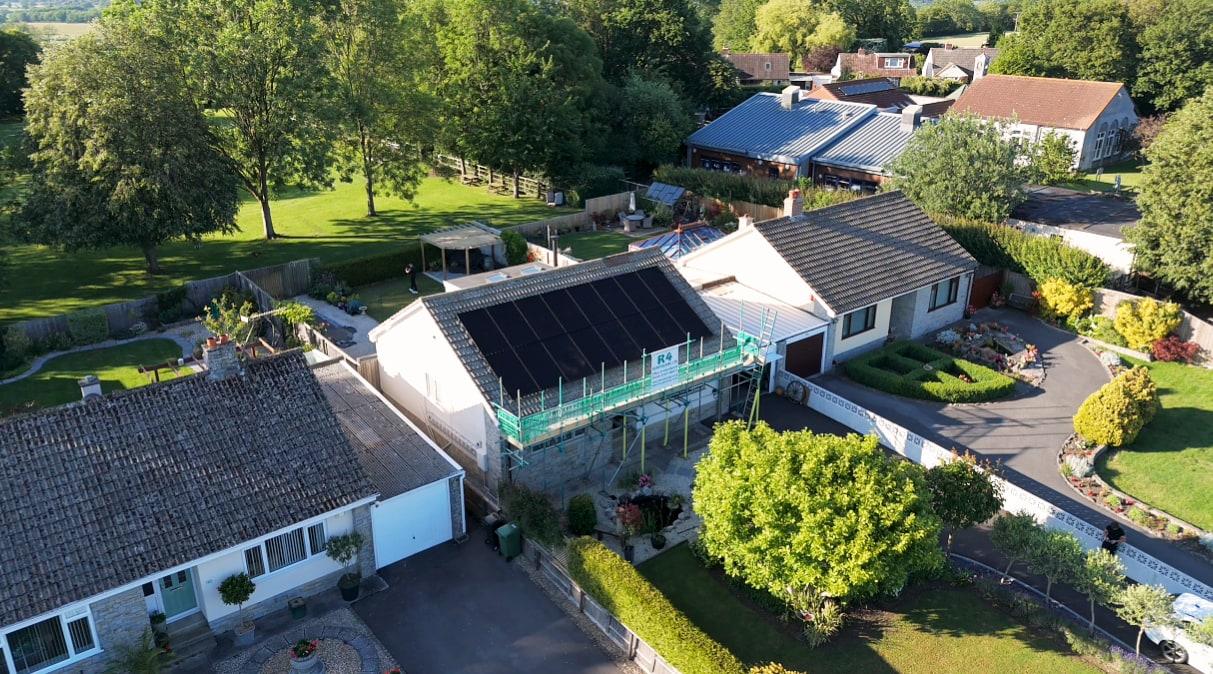
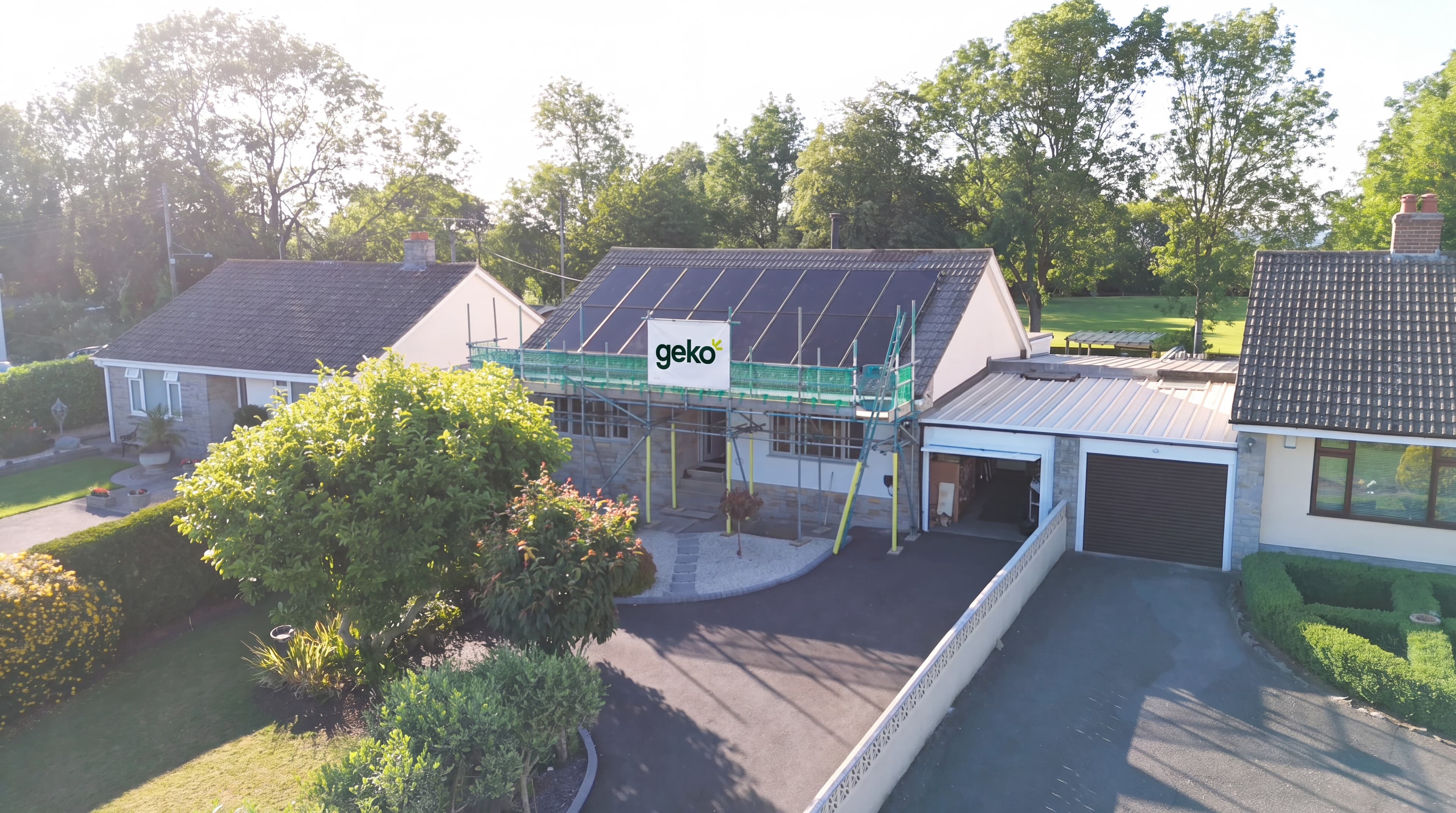
Solar panels turn daylight into electricity. They don't need heat, and they don't need wall-to-wall sunshine. Through the winter they keep making electricity every day there's daylight, and they start cutting your bills from the day they're switched on.
- Cold helps. Solar cells work more efficiently when they're cold, so bright, frosty days suit them.
- Cloud doesn't stop them. Panels run on daylight, so they keep generating on grey days.
- Snow slides off. A light covering usually slides off a tilted panel as it warms, and the panels carry on.
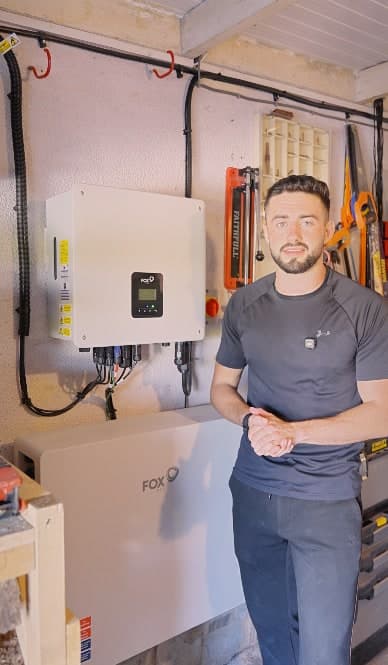
Pair your panels with a battery and your system works around the clock through the winter.
Why your battery works overtime in winter
In summer, a battery mostly stores spare solar for the evening. In winter it takes on a second job. On a tariff with a cheap overnight rate, it charges overnight at the low price and powers your home through the expensive hours the next day. The Energy Saving Trust notes a battery can charge from the grid when your tariff is cheap, and in winter that's where it earns most.
| Summer | Winter | |
|---|---|---|
| Where the charge comes from | Mostly your own solar | Mostly cheap overnight electricity, topped up by solar |
| What it replaces | Evening electricity | Full-price electricity through the day and evening |
| How often it cycles | Most days | Every day, whatever the weather |
Swipe to see the full table
Here's what that can be worth. These are example numbers to show the method, not a forecast. They assume a home on a tariff with a cheap overnight rate that uses at least 9 kWh a day outside the cheap window. Example rates: 8p/kWh overnight, 28p/kWh standard.
| A winter day | Sum | Example value |
|---|---|---|
| Charge the battery overnight | 10 kWh × 8p | −£0.80 |
| Use it instead of full-price electricity | 9 kWh × 28p | £2.52 |
| Saving on the day | £1.72 |
Swipe to see the full table
Over December to February, that's about £155, alongside what your panels make. The cheapest overnight rates are on EV tariffs, and Octopus Flux suits homes without an EV. Tariff rates change, so check current prices in our solar tariff comparison.
Why install in winter
- The battery starts saving straight away. Winter is when it earns most from a cheap overnight rate, so it works from the day it's switched on.
- The panels start working straight away. They generate every day there's daylight, and you're set up for every sunny day of spring and summer from the very first one.
- You pay 0% VAT. Installs completed by 31 March 2027 pay no VAT. That window closes in the spring.
Want to see what solar and a battery would do for your home this winter?
Wait until summer and you pay VAT
Solar panels and batteries installed in homes are zero-rated for VAT until 31 March 2027. From 1 April 2027 the rate is 5%. An average install is £12,500: around 6 kW of panels with a battery.
| Install completed | VAT | Average install |
|---|---|---|
| By 31 March 2027 | 0% | £12,500 |
| From 1 April 2027 | 5% | £13,125 |
Swipe to see the full table
Wait until summer and an average install costs £625 more, and you've missed a winter of battery savings too. The date that counts is usually when the system is commissioned, not when you sign, so leave time: from first call to switched on typically takes 4 weeks. More on timing in the VAT window closes in April 2027.
Winter questions, answered
- Can you install in winter? Yes. We install all year. Most installs take a day, with scaffolding going up the day before.
- Will the battery charge on frosty nights? Yes, when the battery and its position are chosen for it. Fox ESS's EP12, for example, has an optional warm-up function that lets it charge down to −25°C. We pick the battery and where it goes with frosty nights in mind (home battery checklist).
- What about snow? A light covering usually slides off a tilted panel as it warms. Never climb onto the roof to clear it.
- What will my first year look like? Our guide to solar and battery savings in year one shows how to read your numbers.
How Geko fits solar and batteries
On a free 30-minute video consultation, a Geko engineer looks at your roof, usage and tariff, and designs a system that earns all year: solar every day there's daylight, and the battery on cheap overnight rates. No doorstep sales.
- Panels: Aiko and DMEGC Tier-1 panels.
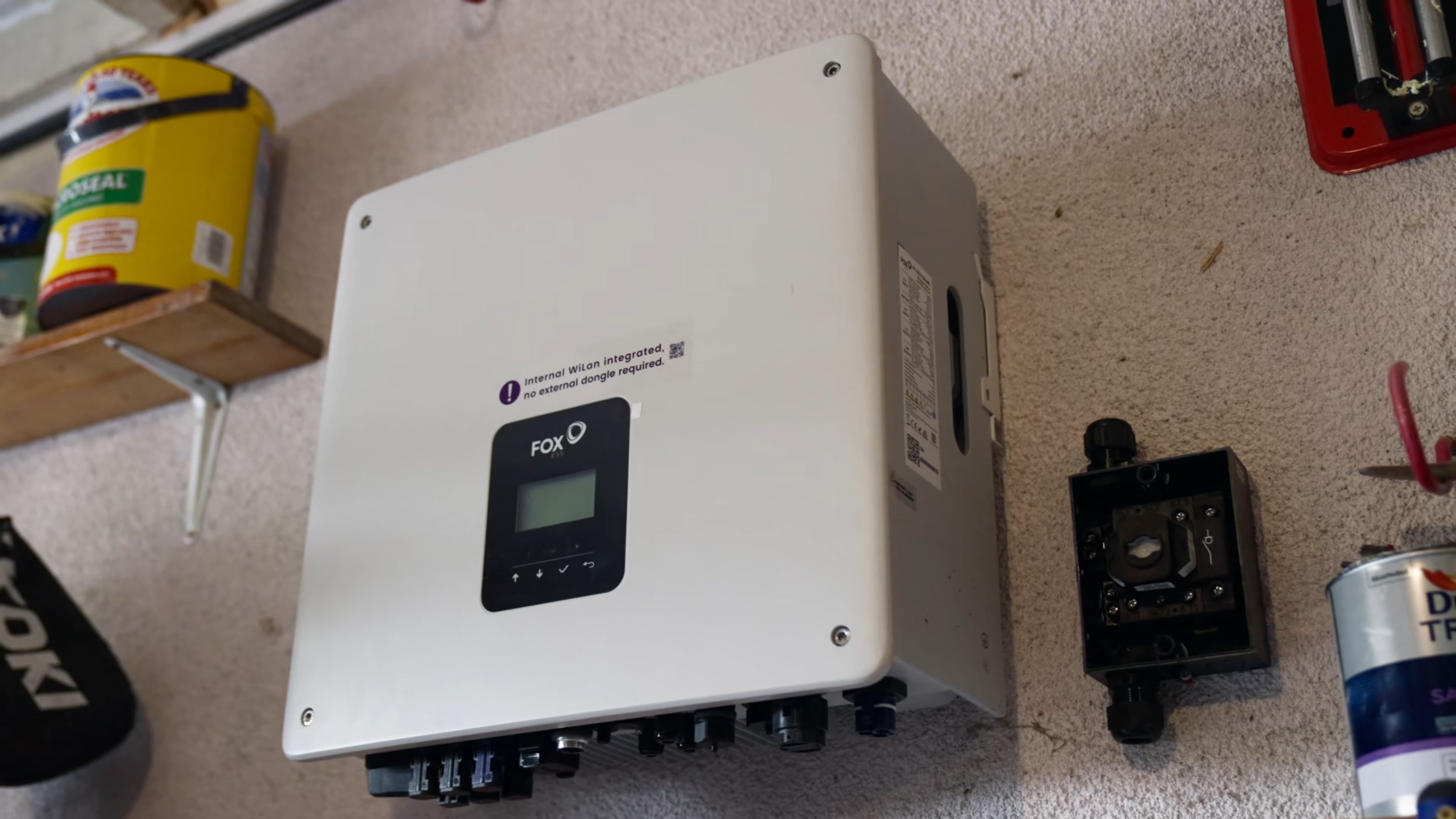
- Batteries: Tesla Powerwall 3, Fox ESS, Sigenergy and EcoFlow PowerOcean, set up for your tariff.
- Installation: our own employed engineers install across England and Wales.
- Protection: MCS-certified for solar PV and battery storage, TrustMark-registered, and a 6-year IAA insurance-backed guarantee.
- Paperwork: we handle the DNO notification, your MCS certificate and Smart Export Guarantee registration.
FAQs
Do solar panels work in winter?
Yes. Solar panels run on daylight, not heat, so they keep generating through a UK winter, every day there's daylight. Cold, bright days suit them.
Do solar panels work on cloudy days?
Yes. Panels keep generating under cloud. They run on daylight, not direct sunshine.
Are solar panels more efficient in the cold?
Yes. Solar cells lose a little output as they warm up and gain a little as they cool, so cold, clear days suit them. The panel's datasheet lists this as a temperature coefficient.
Do solar panels work in snow?
A light covering usually slides off a tilted panel as it warms, and the panels carry on generating. Never climb onto the roof to clear snow.
Does a home battery help in winter?
It earns most in winter on a tariff with a cheap overnight rate: it charges overnight and covers the expensive hours the next day, every day, even when there's little solar to store.
Will my battery charge in freezing weather?
Yes, when the battery and its position are chosen for it. Some batteries warm themselves to keep charging in the cold, and we pick the battery and where it goes with frosty nights in mind.
Can you install solar panels in winter?
Yes. We install all year. Most installs take a day, with scaffolding going up the day before.
When do I need to install to get 0% VAT?
The install needs to be completed by 31 March 2027. From 1 April 2027 the rate is 5%, which adds £625 to an average £12,500 install. From first call to switched on typically takes 4 weeks.
Get switched on before the VAT window closes
A free 30-minute video consultation with one of our engineers, then one total price in writing. Installs completed by 31 March 2027 pay 0% VAT.
Phone lines open Mon–Fri, 9am–6pm
Sources
- Energy Saving Trust: Battery storage
- GOV.UK: VAT Notice 708/6
- Fox ESS: EP12 battery datasheet (charging temperature range)
- Geko Energy: solar and battery savings in year one, the VAT window, solar tariff comparison
Geko Energy designs and installs solar PV, battery storage and EV charging. The battery example uses example rates to show the method; it is not a forecast for any specific home. The average install figure is a guide, not a quote. Tariff rates change, so check your supplier's current prices.