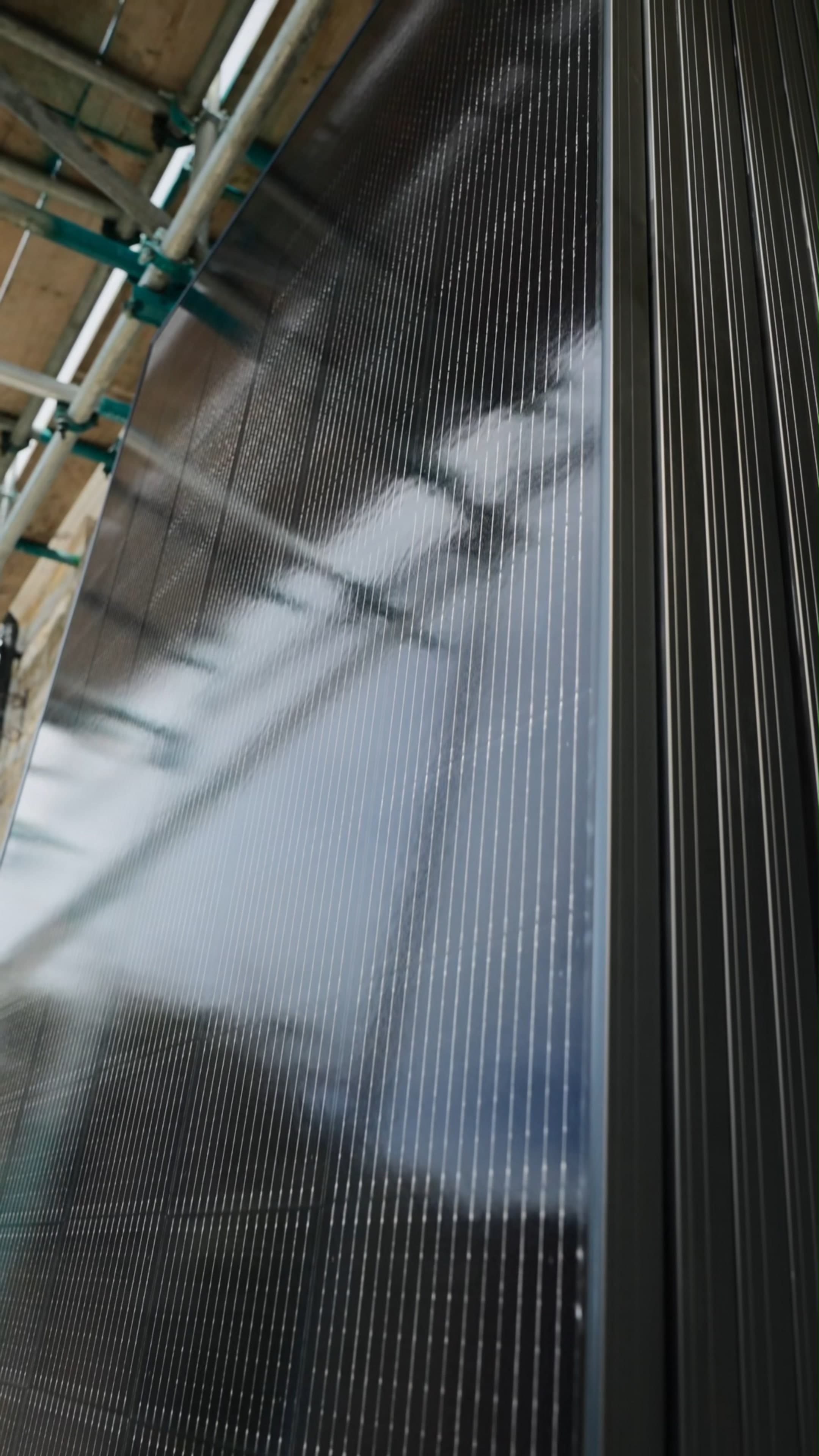
The 0% VAT rate on domestic solar, batteries and heat pumps is a temporary measure with a fixed end date. On 1 April 2027, it reverts to 5%. It's worth understanding the rule properly — both because it changes the maths today and because installers are increasingly using it as a pressure tactic.
What the 0% rate actually covers
Under HMRC's reduced-rate scheme for energy-saving materials installed in residential properties, the following are zero-rated until 31 March 2027:
- Solar PV panels, inverters and associated equipment
- Battery storage — including standalone retrofits since February 2024
- Heat pumps (air-source and ground-source)
- The labour to install qualifying materials
- Ancillary fittings: mounting kit, DC isolators, wiring, signage
EV chargers fall under separate rules — domestic OZEV-grant installs are typically VAT-inclusive at 20%, with the grant offsetting part of that. They aren't covered by the 0% ESM rate.
What changes on 1 April 2027
The rate reverts to 5% — not 20%. Solar still gets preferential VAT treatment, just less of it. For a typical Geko install, that's around £400–£800 added to the headline price.
Real-world cost impact
- 4kW solar only: £8,000 today → £8,400 after April 2027 (+£400)
- 5kW + 5kWh battery: £12,000 today → £12,600 after April 2027 (+£600)
- 6kW + 10kWh battery: £16,000 today → £16,800 after April 2027 (+£800)
The cutoff rule installers get wrong
The applicable VAT rate is set by the tax point — usually the date the install is commissioned, not the date you signed a contract or paid a deposit. A "VAT-locked" deal signed in March 2027 with the install in May 2027 will be charged at 5%, regardless of what the salesperson promised. To bank the 0% rate, the install must be commissioned on or before 31 March 2027.
Should you rush?
No. £500 of VAT isn't a reason to choose the first installer who calls you back, skip due-diligence on the installer's certification and warranty cover, or accept a poorly-designed system. But if you're already most of the way through deciding, the 2027 deadline is a legitimate reason to commit now rather than next year. Most reputable installers have 8–12 week design-to-install timelines, so practical decision deadlines compress about Q4 2026.