The short answer
A typical residential solar panel system in the UK costs between £5,500 and £14,000 installed, depending on size and whether you include battery storage. A standard 4kW system without a battery sits at the lower end. A larger 6-8kW system with a 10kWh battery sits at the higher end. All residential installations are VAT-free until 31 March 2027.
What affects the price
Solar pricing is not as simple as a per-panel cost. Several things push the number up or down.
- System size. A 3kW system (8 panels) costs less than a 6kW system (15 panels). Most UK homes suit something in the 3-6kW range.
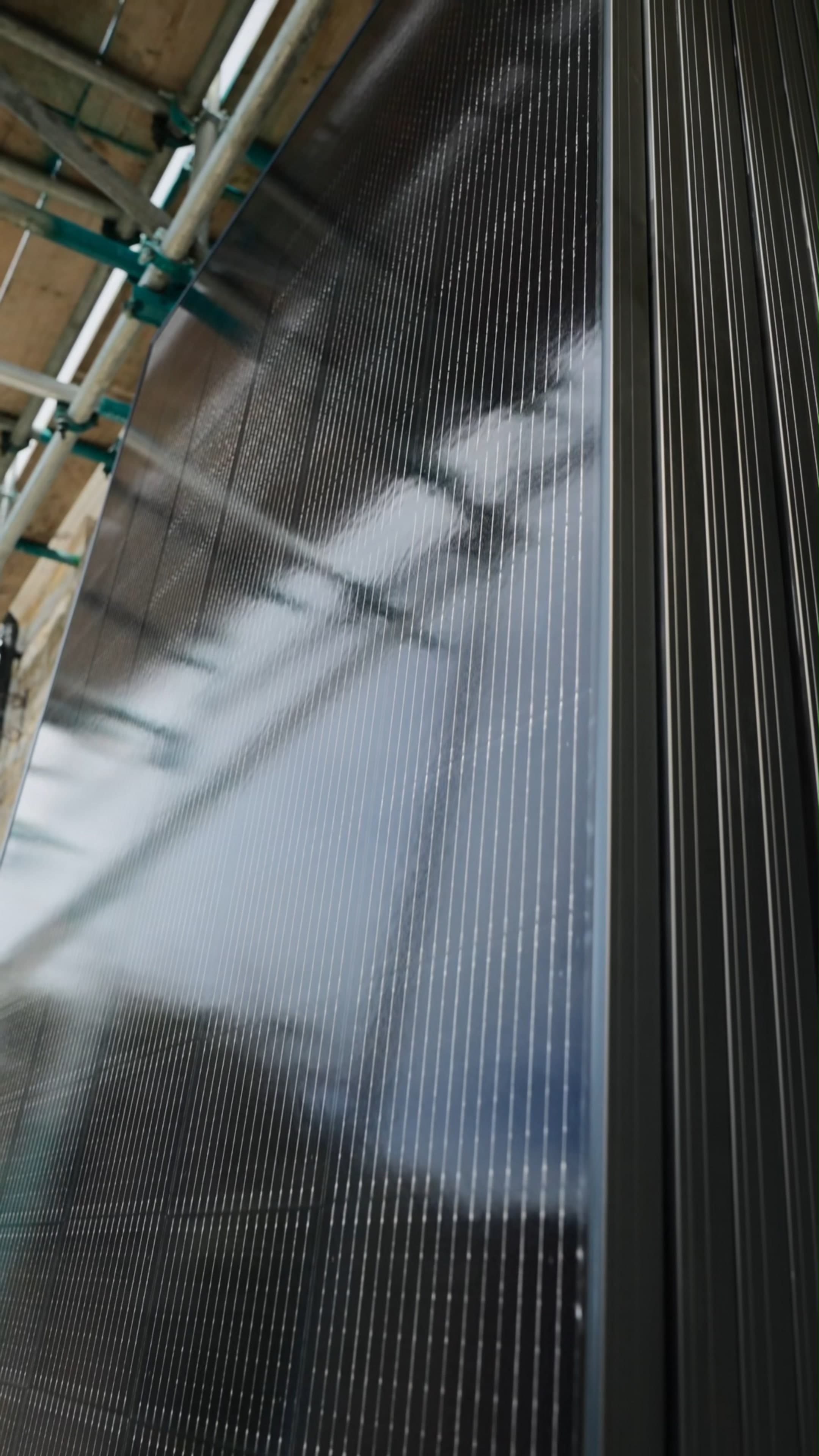
- Panel brand. Tier-1 manufacturers like DMEG and Aiko cost more than budget brands, but they come with 25-year product warranties and higher efficiency ratings. Cheaper panels often have shorter warranties and degrade faster.
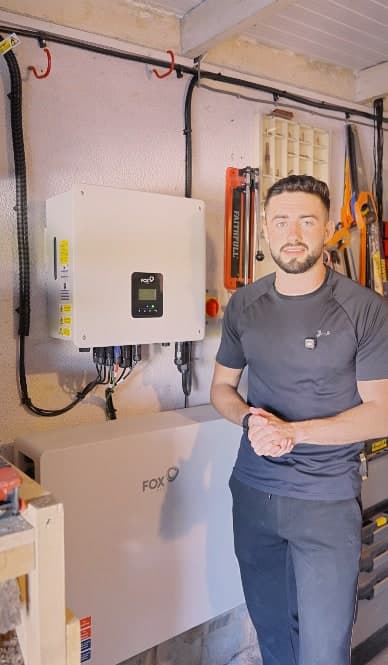
- Battery storage. Adding a battery roughly doubles the cost of a solar-only system. A 5kWh battery adds around £2,500. A 10kWh battery adds around £4,000-5,000. Whether you need one depends on your usage pattern and tariff.
- Roof complexity. A simple south-facing pitched roof is the cheapest to install on. Flat roofs need mounting frames. Multiple roof planes need more cabling. Listed buildings may need planning permission.
- Installer. Prices vary significantly between companies. The cheapest quote is not always the best value. Check whether the installer is MCS-certified, whether they use their own team or subcontractors, and what aftercare they provide.
Solar panel costs by system size
These ranges reflect what UK homeowners were paying in mid-2026, based on industry data and our own pricing. They include installation and are VAT-free.
- 3kW (8 panels): £4,500 to £6,000
- 4kW (10-12 panels): £5,500 to £8,000
- 5kW (12-14 panels): £6,500 to £9,000
- 6kW (15-16 panels): £7,500 to £10,500
Adding a battery increases these figures by £2,500 to £5,000 depending on capacity.
The VAT window
Since April 2022, residential solar panel installations have been zero-rated for VAT. This saves 20% on the total cost. The current relief runs until 31 March 2027. After that, unless the government extends it, VAT returns to the standard 20% rate. On a £7,000 system, that is £1,400 extra.
What about the Smart Export Guarantee?
The SEG pays you for electricity you export back to the grid. Rates vary by supplier. Fixed-rate tariffs range from about 4p to 15p per kWh. Time-of-use tariffs like Octopus Flux can pay up to 30p per kWh at peak times. Your installer should register your system and help you apply for a SEG tariff. For most UK homes, SEG income adds £100-300 per year on top of the savings from using the electricity yourself.
How to get a fair price
Get at least two quotes. Make sure each quote itemises the equipment (panel brand, wattage per panel, inverter model, battery if applicable) rather than just giving a bundled system price. Check that the installer is MCS-certified, which is required for SEG eligibility and most green mortgage incentives. Ask whether the team who installs your system is employed directly by the company or subcontracted.
If anyone tells you the price goes up tomorrow, or that the quote is only valid tonight, that is a sales tactic, not a market reality.