Two years ago, the UK solar pitch had real wrinkles. Install prices were still inflated post-COVID, SEG export rates were embarrassing, the grid was unstable, and batteries were a thin add-on. Most of those wrinkles have ironed out. Here's what's actually different in 2026.
Panel prices have dropped ~18% from peak
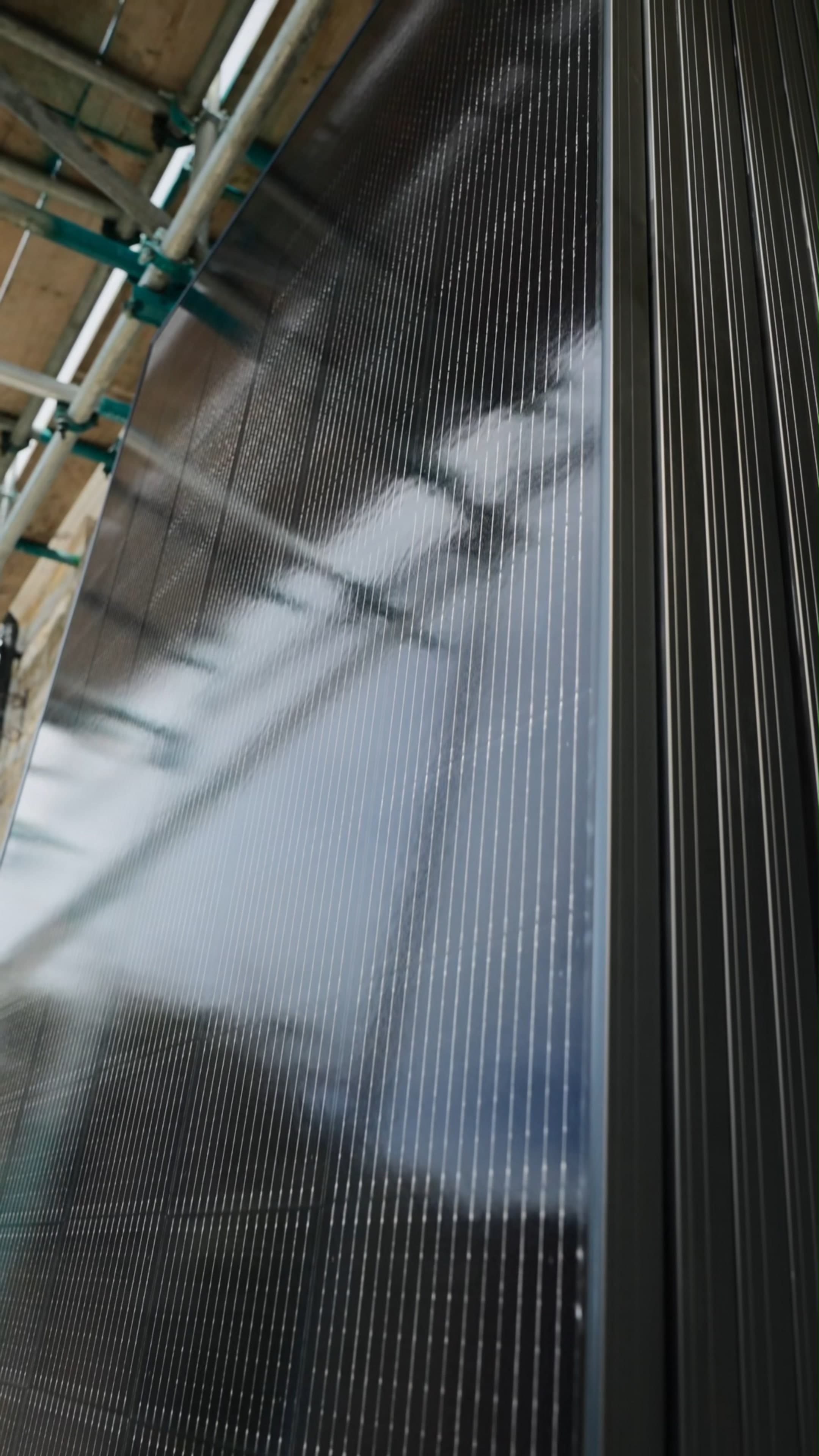
Tier-1 module prices (DMEG, Aiko, and the wider tier-1 market) fell sharply through 2024 and 2025 as Chinese manufacturing capacity re-stabilised and import frictions eased. The downstream effect on residential installs has been an 18–22% headline price drop on equivalent system designs. A 4kW install that cost £8,500 fitted in late 2024 is closer to £7,000 today.
SEG export rates have caught up
Two years ago, most suppliers paid 4–6p/kWh for exported solar. The good news in 2026:
- Octopus Outgoing Fixed — 15p/kWh flat
- E.ON Next Export — 16.5p/kWh fixed
- Octopus Outgoing Agile — variable, often 20p+ at peak hours
- Legacy suppliers (British Gas, EDF, OVO) — still 3–7p/kWh, worth switching
For a typical 4kW system exporting ~2,000 kWh/year, the better tariffs are the difference between £100/year in SEG income and £330/year — multiplied across the 25-year system life.
Grid electricity has stabilised
Retail electricity has settled into a 27–32p/kWh band for over 18 months. The post-Ukraine volatility is gone for now. What you save in year one is roughly what you'll save in year five, which makes the financial case much easier to underwrite.
Batteries are finally pulling their weight
Three changes:
- Battery cell prices dropped 25%+ since 2024 — installed costs for a 10kWh battery now sit around £4,500
- 0% VAT was extended to standalone battery retrofits in February 2024, opening up the market for existing solar owners
- Agile SEG tariffs + smart dispatch software now let batteries earn money on import-export arbitrage — not just self-consumption savings
Install-quality standards tightened
The UK solar install standard was updated in late 2024 with stricter requirements around DC isolation, fire safety on battery installs, and commissioning documentation. The net effect is that the minimum standard for a "proper" install is higher than it was in 2024 — which makes the cowboys easier to spot if you know what to look for.
The bottom line
Solar in 2026 is the cleanest version of the proposition the UK has seen since the Feed-in Tariff era. Cheaper systems, better export rates, stable grid prices, smarter add-ons, tighter quality standards. The one ticking clock is the 0% VAT window, which closes on 31 March 2027.