
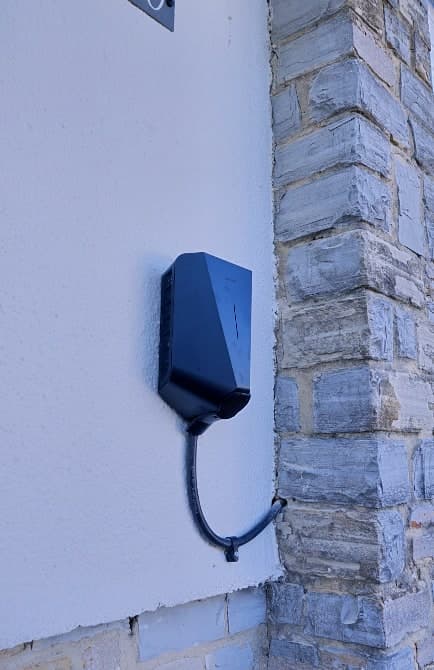
Charging an EV from your own solar is one of the most satisfying things about owning both. But the marketing often oversells how much of your charging actually comes from panels — and the reality is heavily seasonal.
How solar EV charging actually works
A solar-aware EV charger (Zappi, Hypervolt, Ohme) monitors your home's net export in real time. When you're exporting surplus solar to the grid, the charger diverts that surplus into your car instead, ramping up and down to match generation.
Most chargers offer three modes: ECO+ (only charge from solar surplus), ECO (top up from grid if solar is weak), and FAST (full 7kW from any source). ECO+ gives you the cleanest charge but the slowest fill.
Real-world numbers
For a typical UK home with a 4kW solar system and an EV doing 8,000 miles/year (~2,000 kWh of charging), here's what to realistically expect:
- April – September: 60–80% of EV charging from solar
- October & March: 30–40%
- November – February: 5–15%
- Annual average: 35–45%
A 6kW or 8kW solar system pushes that annual figure to 50–60%. Adding a 10kWh battery brings it to 60–70% by letting you store mid-day excess and discharge at night while the car charges.
Charger choice matters
Zappi is the established choice — most mature solar integration, slick app, but pricey. Hypervolt is the design-conscious alternative with comparable functionality. Ohme is cheaper and excels on time-of-use tariffs (cheap overnight grid + solar by day).
The cheap-grid alternative
If you're on a tariff with cheap overnight rates (Octopus Go at 8.5p/kWh, Intelligent Octopus at 7p/kWh), charging fully overnight from the grid can actually beat solar charging in winter — the numbers are that close. Solar wins big in summer, the grid wins in winter, and a smart charger can pick the optimal split automatically.